
Menu
Miami Beach Stamped Concrete Patio: Stop Cracks & Spalling
Stamped Concrete Patio Miami Beach
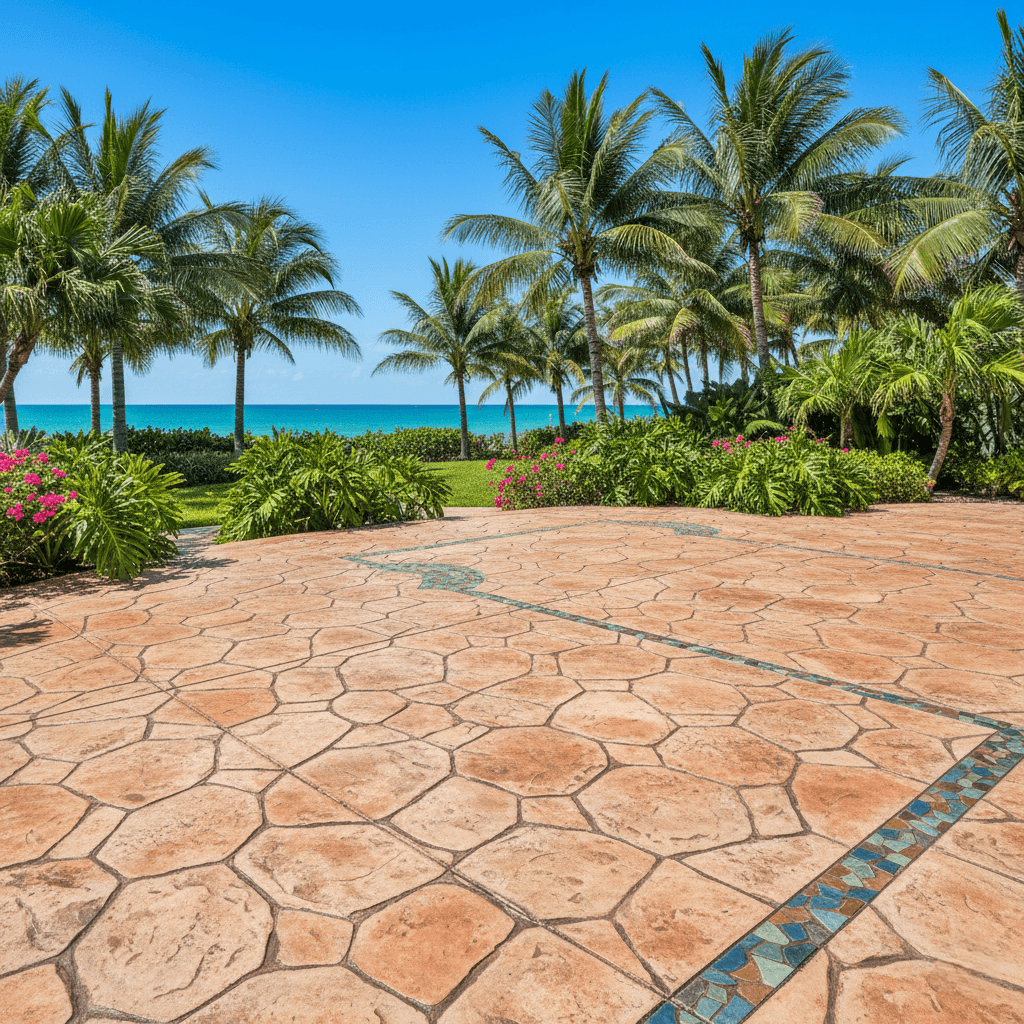
Stamped concrete patios bring style and increased resale value to many Miami Beach homes by allowing homeowners to have the look of stone or brick without spending as much money on that look. The coastal area’s combination of salt in the air, high humidity, and extreme temperatures makes it difficult to keep stamped concrete surfaces looking good and lasting long. If you do nothing to take care of your stamped concrete patio, there is a chance of cracks, spalling, and surface damage, which will make your patio look bad and could possibly make it unstable. There are things you can do to help prevent this damage and keep your stamped concrete patio looking great and functioning for years. The ideas outlined in this article will give you ways to protect your stamped concrete patio from the damaging effects of salt air.

Identifying Common Factors Leading to Stamped Concrete Patio Failure
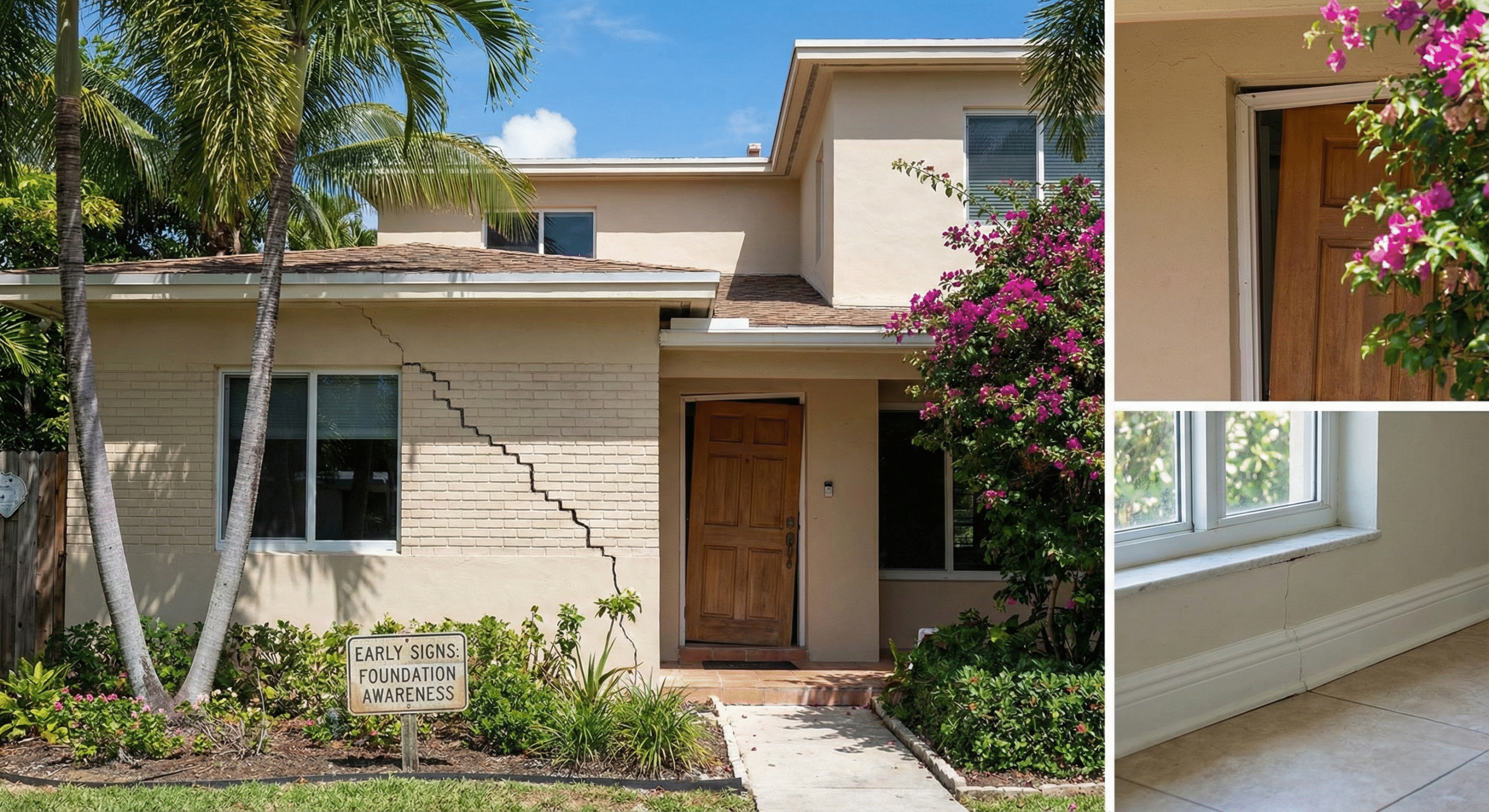
Salt and moisture penetrating the stamped concrete patio’s porous surface are typically where cracking and spalling start. When saltwater enters the concrete, it combines with alkalines found in the concrete and creates growing crystals that develop pressure inside the slab. Eventually, the pressure caused by the salt crystal growth will lead to cracking or surface peeling of the stamped concrete patio. The combination of frequent salt air, high humidity, and thermal cycling common to Miami Beach greatly accelerates this process. Identifying what causes cracking and spalling helps you to determine the right preventative actions to take.
Selecting the Right Concrete Mix for Use in Miami Beach Coastal Weather Conditions
A stamped concrete patio that lasts a long time depends on selecting a concrete mix that has been formulated to withstand coastal weather conditions. Fly ash or slag-based mixes have lower permeability and provide resistance to salt penetration into the concrete. Using fiber reinforcement or corrosion inhibitors also adds strength to the slab to address the humid and salt air associated with Miami Beach’s climate. Both additives contribute to the durability of the patio and to addressing the normal stresses that the patio will encounter daily. To get the best results, work with contractors who are knowledgeable about the demands of the local climate.
Practicing Proper Installation Methods to Limit the Amount of Stress
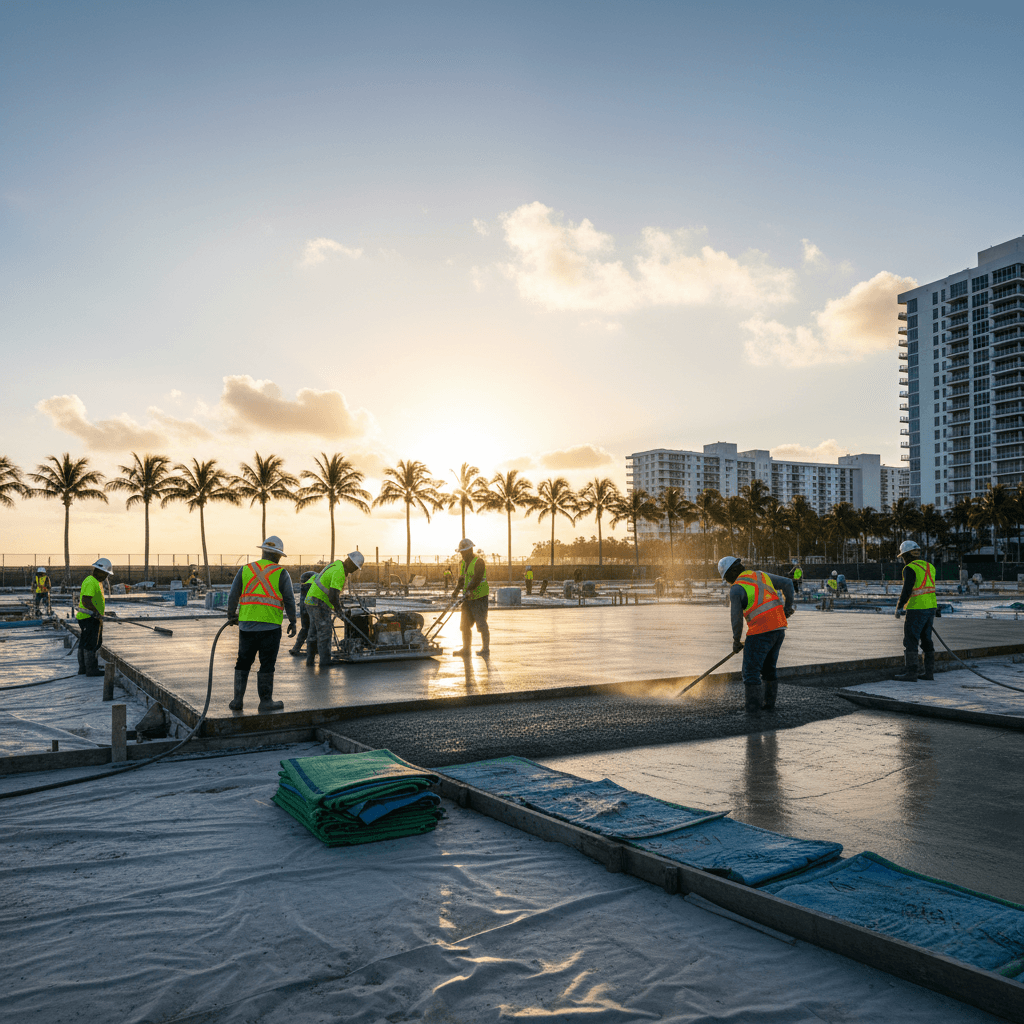
Although a strong concrete mix can fail if installed improperly, the same thing can happen to even a very strong mix. Preparation, the spacing of the joints, and the duration of the curing process are all important to prevent cracking and spalling. Strategically placed control joints allow the slab to expand and contract naturally, which limits the occurrence of random cracks. Reducing excessive water in the mix, maintaining uniform thickness, and working with experienced installers support the strength of the structure.
Using High-Quality Sealants for Stamped Concrete Patio Protection
One of the best methods to protect stamped concrete from salt damage is to apply a high-quality sealant. Silane or siloxane penetrative sealants establish a protective barrier within the concrete and minimize moisture and salt absorption. For added protection, apply an acrylic or polyurethane topcoat to protect the patio from abrasion and UV exposure. Re-seal the patio at least once every two to three years to ensure continued protection. Regularly re-sealing the patio will also keep the color and texture of the patio looking its best.
Implementing Successful Drainage Systems
When drainage systems do not function properly, water and salt remain on the patio and accelerate deterioration. A slightly sloped patio directs water away from the surface. French drains or permeable pavers improve water flow in the surrounding area. Clearing gutters and downspouts also eliminates the possibility of water overflows that may reach the patio. By establishing successful drainage systems, you significantly reduce the likelihood of salt-related damage to your stamped concrete patio.
Performing Routine Cleaning and Maintenance
By consistently performing routine cleaning and maintenance activities, you will extend the durability of your stamped concrete patio and preserve its aesthetic appeal. Fresh water rinses the surface of the patio to remove salt before it causes damage. Rather than employing harsh chemicals or high-pressure washes, use mild cleansers and soft-bristled brushes to protect the sealant. Repairing minor cracks or early spalling in your patio will help prevent more serious problems. Your efforts to regularly perform maintenance activities will increase the longevity of the patio and retain its beauty.
Employing Decorative and Functional Overlay Products
In cases where your stamped concrete patio exhibits signs of wear, overlay products can restore both the functionality and attractiveness of the patio. They create a new surface that provides additional resistance to salt and moisture while providing the opportunity to add new colors and textures to the patio. Because overlays can be sealed to provide additional protection, they offer a viable solution for restoring older patios without replacing the original slab. Thus, overlays represent a practical and aesthetically pleasing renovation option.
Establishing Landscaping Strategies to Decrease Salt Exposure
You can decrease the amount of salt that reaches your patio by implementing thoughtful landscaping strategies. Plants such as palms or sea grapes are examples of salt-tolerant plants that can serve as natural barriers. Windbreaks or decorative screens can also mitigate the effects of salt-laden coastal breezes that are prevalent in areas such as South Pointe Park. These landscaping elements not only protect the patio but also enhance the visual appeal of your outdoor living spaces.
Trust Miami Beach Concrete Works for Proven Solutions
Miami Beach residents need quality materials, proper installation, and regular maintenance to protect their stamped concrete patio from coastal conditions. Miami Beach Concrete Works designs and builds patio slabs made to last in coastal conditions. We select the right mix, apply durable sealants, and implement successful drainage techniques to achieve long-term performance. With our expertise and craftsmanship, you will have a patio that is both strong and visually appealing for many years.
LATEST POSTS