
Menu
How to Protect Concrete Driveways from Salt in Miami Beach
Concrete Driveway Miami Beach
Salt damage is an unseen problem that Miami Beach homeowners face with their concrete driveways. The proximity of the ocean puts driveways at risk from high levels of salt sprays, moisture, and humidity in addition to normal environmental exposure, causing the deterioration process to accelerate. Even when driveways are well built, salt damage will eventually cause them to deteriorate through cracking, spalling, and/or structural issues. Fortunately, knowing how to prevent salt damage to your driveway by taking proactive steps will greatly extend the life of your driveway and keep it looking good and functioning as intended.
Impact of Salt On Your Concrete Driveway
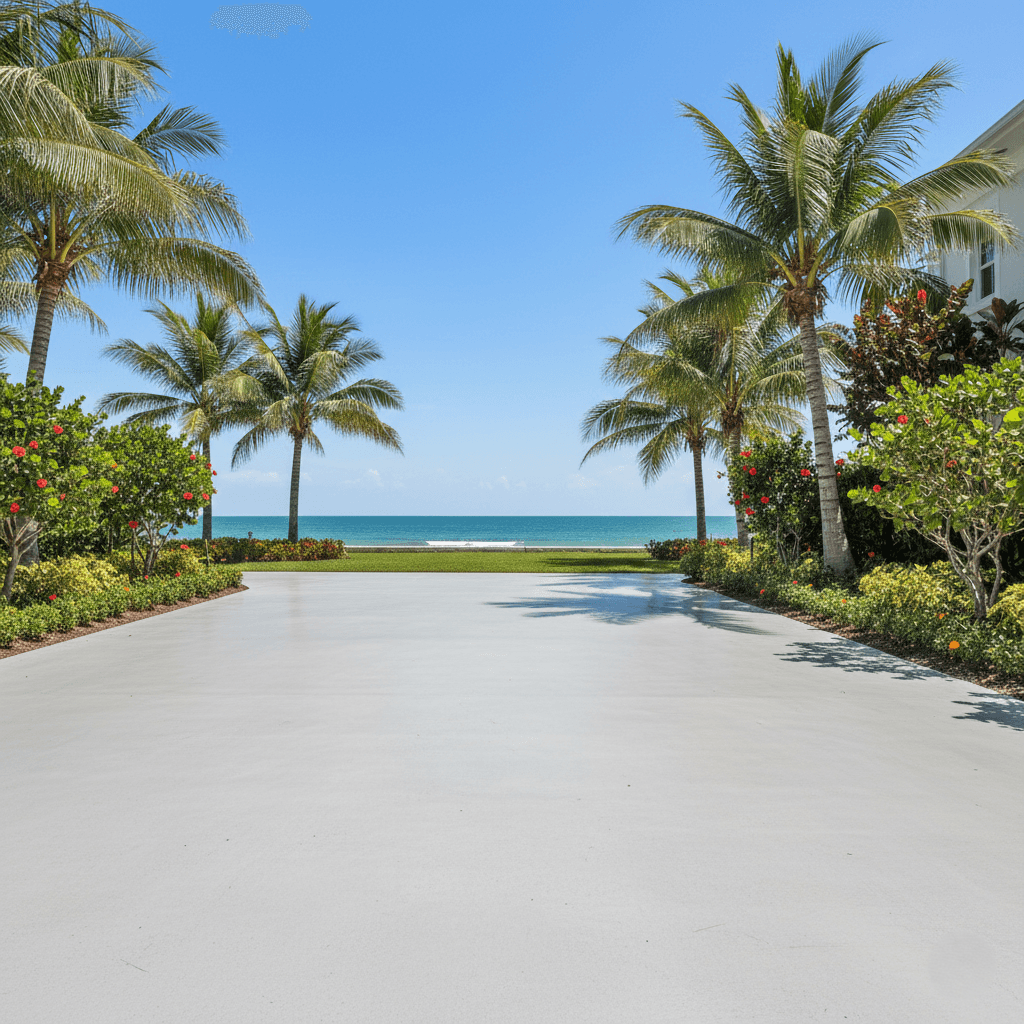
Salt – whether from seawater, de-icers, or airborne particulates – is a potentially damaging substance to concrete driveways. As salt enters a concrete driveway, it reacts with both water and the alkalines present in the concrete, creating a crystal that expands internally to create pressure that will ultimately lead to cracking or flaking. The humid climate and fluctuating temperatures in Miami Beach increase the risk of this damage due to continuous exposure to saltwater.
Identifying Damage From Salt
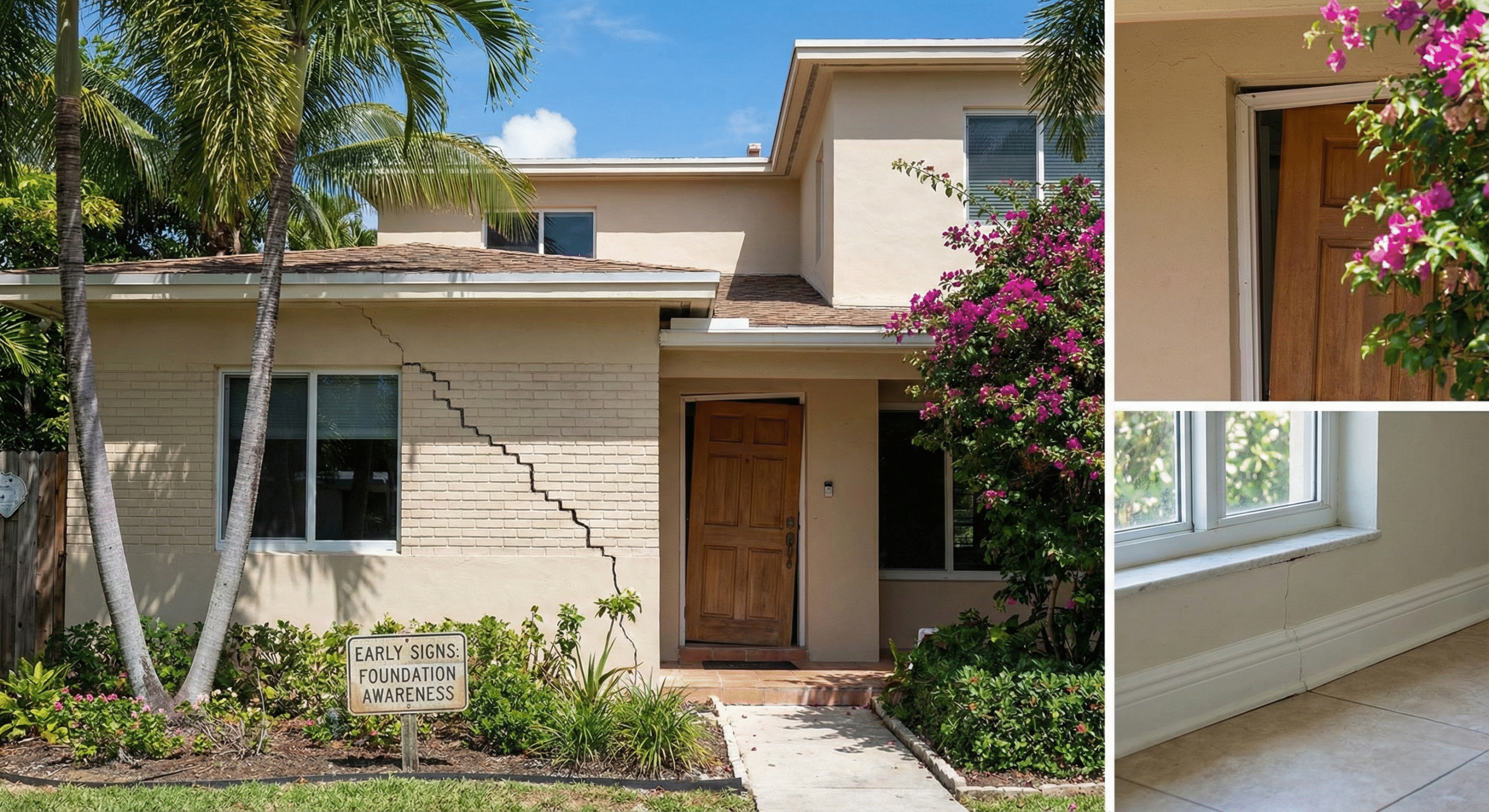
Recognizing damage from salt (i.e., white efflorescence, surface pitting, discoloration) is a very important first step to taking corrective action to mitigate its effects.
Choosing the Best Concrete Mix for a Coastal Area
All concrete is not created equal. When selecting a concrete mix for a Miami Beach driveway, you should choose a high-performance mix specifically designed to keep salt out. Most of these mixes contain supplementary cementitious materials (SCMs), such as fly ash and/or slag, that decrease permeability and increase durability. Additional protection from salt damage can be achieved by adding corrosion inhibitors and/or fibers to the mix. It is essential to consult with a knowledgeable concrete contractor to ensure you are choosing a mix that will meet the requirements of your specific location and provide long-term protection against corrosion.
Protective Sealants & Coatings
One of the most effective methods to protect your concrete driveway from the corrosive effects of salt is to apply a protective sealant or coating. Penetrating sealants (such as silane and/or siloxane) work by forming a barrier in the pores of the concrete that prevents salt and moisture from entering the concrete. An additional layer of protection can be provided by applying a high-quality acrylic or epoxy coating to the surface of the concrete. Both types of coatings protect the concrete from abrasive wear and chemical exposure. Sealants must be reapplied to the surface of the concrete at least every two to three years and/or as specified by the manufacturer/contractor.
Proper Drainage Systems
Standing water is one of the leading causes of salt-induced corrosion because standing water allows the salt to accumulate and enter the concrete. One of the best ways to minimize standing water is to design and implement an effective drainage system on your driveway. This could include installing French drains, grading the driveway so that water runs off the surface, and/or installing permeable pavers in certain locations. A proper drainage system protects your driveway from salt, erosion, and structural damage while extending the life of the driveway.
Maintenance Practices
To help prevent salt from building up and to extend the life of your concrete driveway, regular cleaning and maintenance practices must be performed. Rinsing the surface of the driveway with fresh water on a regular basis will help remove salt deposits before they cause damage to the concrete. Do not use harsh chemicals or high-pressure washes to clean the surface of your driveway, as this will cause damage to the concrete over time. Use a mild detergent and a soft-bristle brush to clean the surface of the concrete gently. If you notice any cracks or spalling in the surface of your driveway, address them immediately with a professional repair service to prevent minor issues from becoming major structural problems.
Landscaping Techniques
In addition to protecting your driveway from salt-induced corrosion, there are various landscaping strategies that can be implemented to further protect the concrete from salt exposure. By planting salt-tolerant vegetation (such as palm trees or sea oats) along the edges of your driveway, you can create a natural barrier between the driveway and the salt-laden ocean air. In addition, planting vegetation in this manner absorbs some of the airborne salt, thereby reducing the amount of salt that comes into contact with the driveway. Installing a windbreak or decorative screen around your driveway will further limit the amount of salt-laden ocean breeze that reaches the driveway, particularly in properties located near ocean landmarks (such as South Pointe Pier).
Experienced Contractors
When constructing a driveway in the Miami Beach area, it is essential to collaborate with a contractor who specializes in coastal concrete construction. Contractors that specialize in coastal concrete construction have a wealth of knowledge and experience regarding the specific challenges associated with working in Miami Beach’s environment. These contractors can provide recommendations for the best materials, techniques, and maintenance practices for your driveway. They can also provide information about innovative solutions, such as sacrificial coatings and/or cathodic protection systems, that can provide additional barriers of protection against corrosion.
Miami Beach Concrete Works combines local expertise with a commitment to quality to deliver durable, long-lasting solutions to protect your investment and add value to your property.
LATEST POSTS